
The Best Fluffy Pancakes recipe you will fall in love with. Full of tips and tricks to help you make the best pancakes.
Noda Horo — Enamel Where Plastic Usually Goes
Enamel on steel means no lingering flavours and an easy wipe-down after use. Works on gas, electric, and induction.
Best Sellers
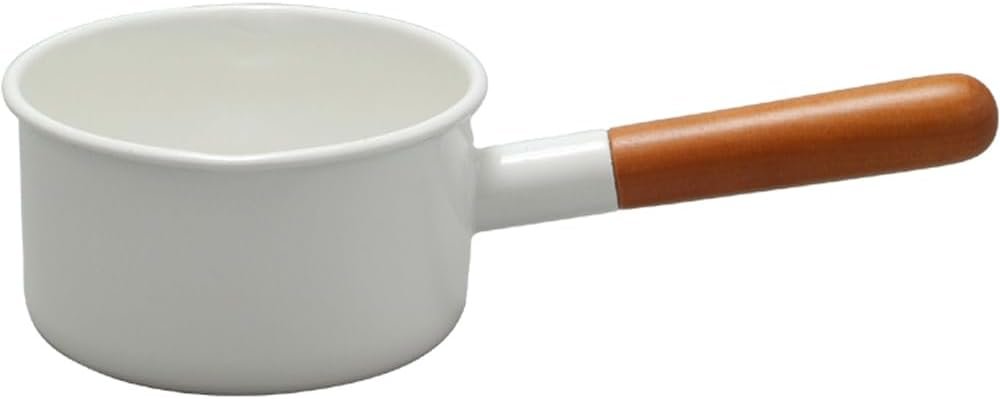
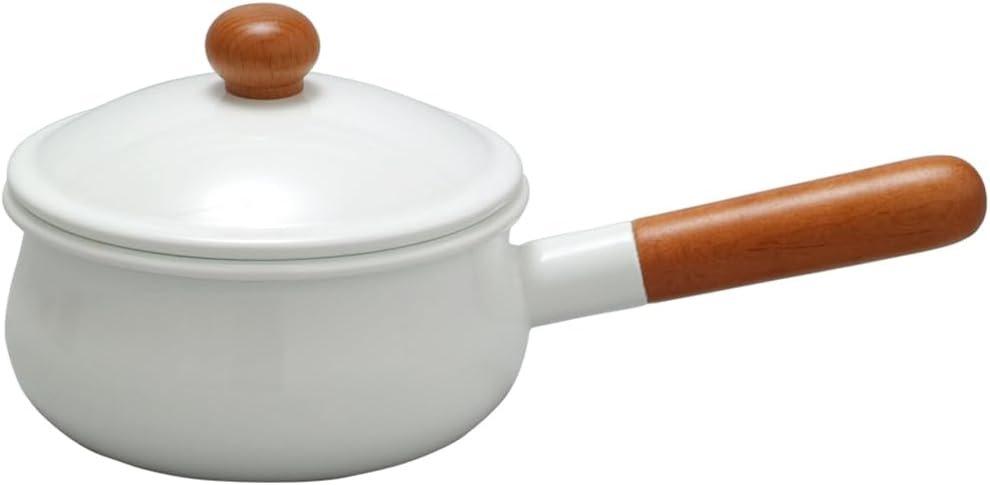
Milk Pan
This powerful pot series features a compact, easy-to-use design with a cute shape that brings warmth and comfort.
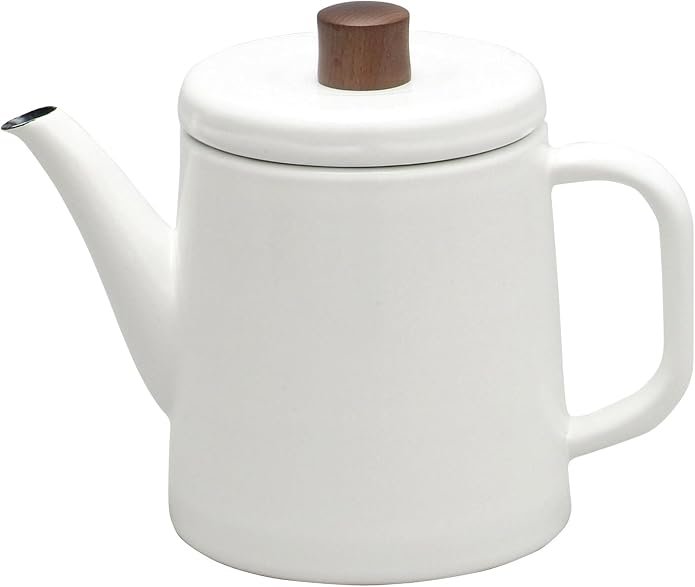
Enamel Kettle
Size: 8.9 × 5.1 × 6.9 in; Weight: 31.8 oz; Capacity: 1.5 L; Material: enamel with a natural wood knob; Made in Japan.
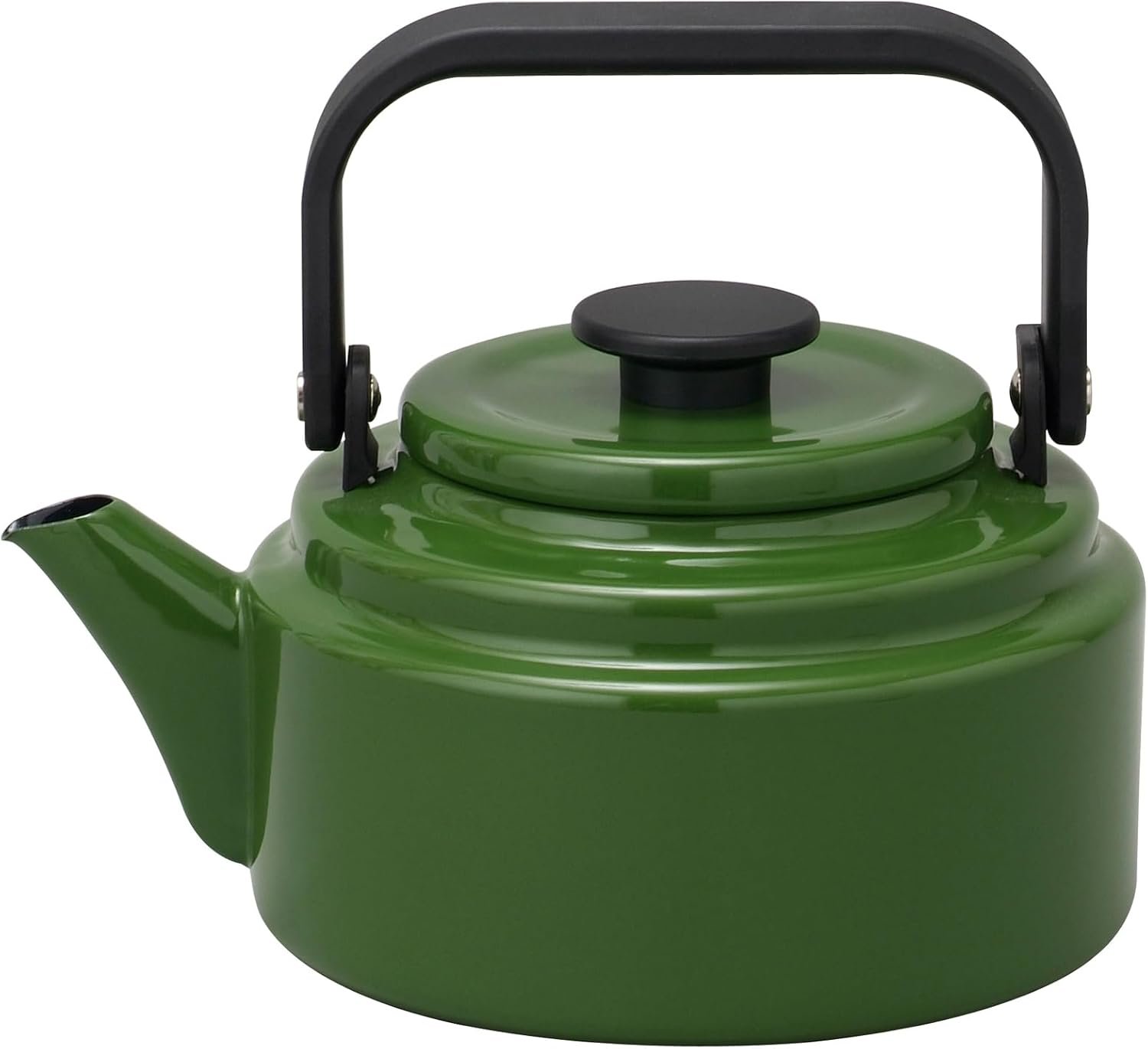
Amkettle
Weighing 2.2 lbs (1.0 kg), this cookware features a main body made of enamel-coated steel plate.
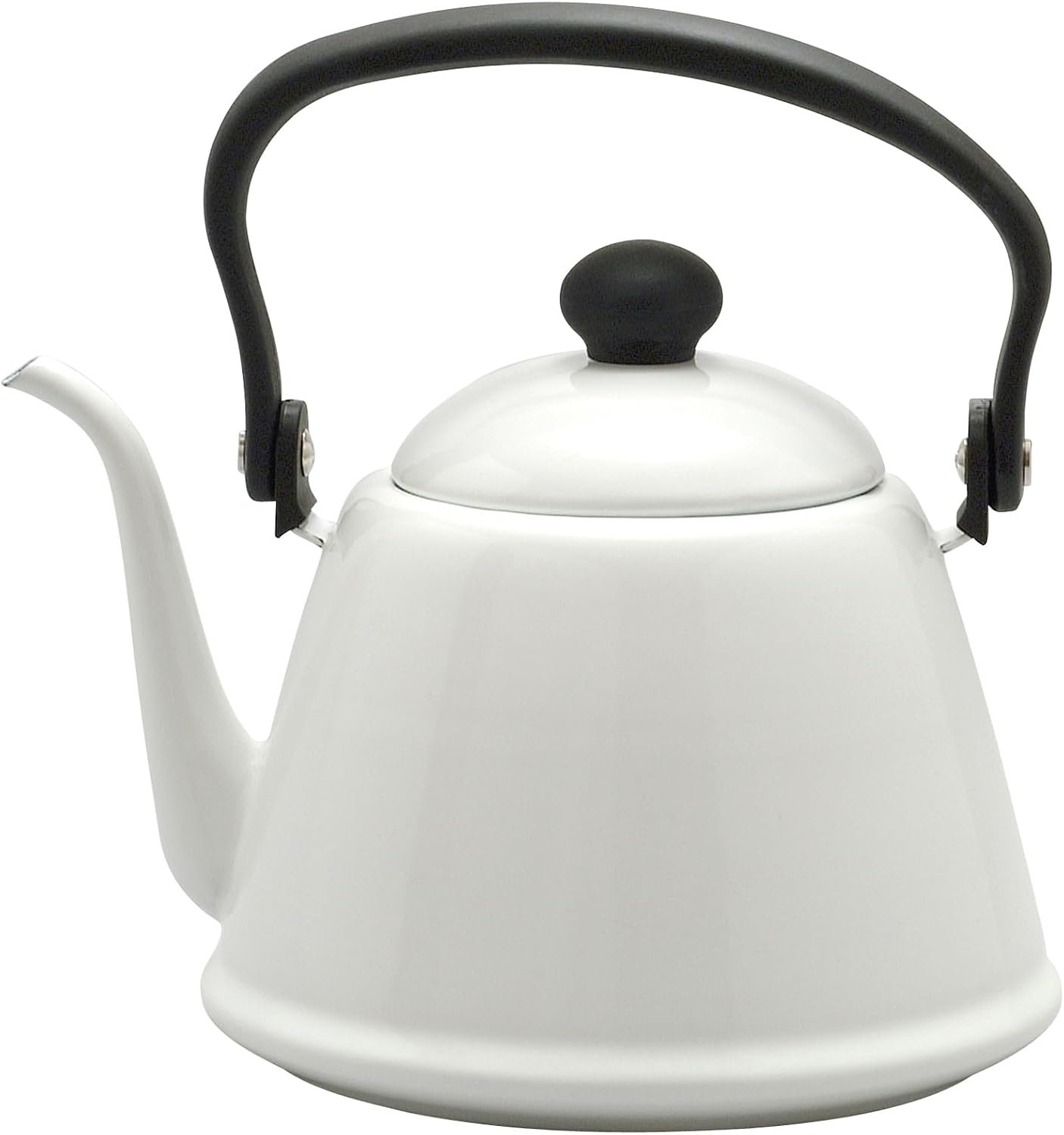
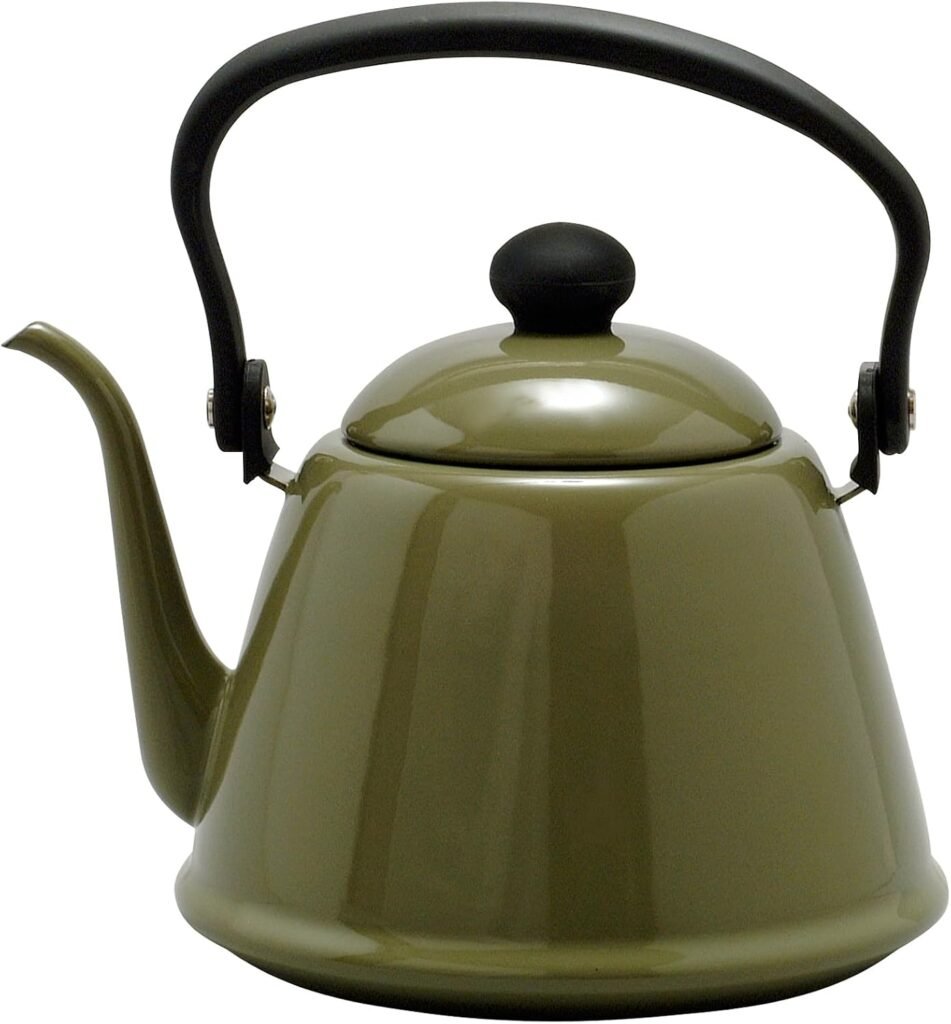
Drip Kettle
Product Weight: Approx. 29.4 oz (850 g), Capacity: 0.6 gal (2.0 L), Materials: Main Body: Enamel.
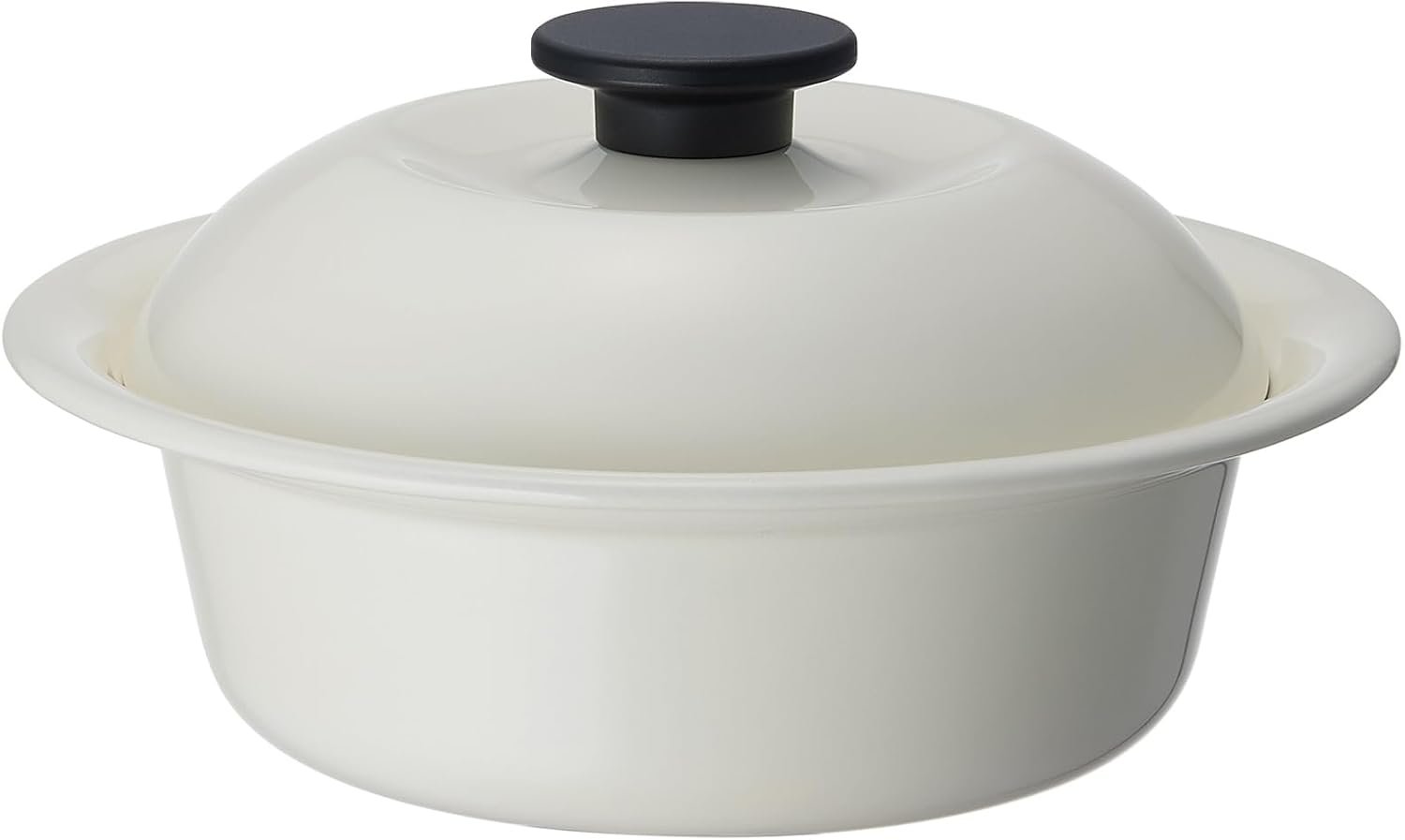
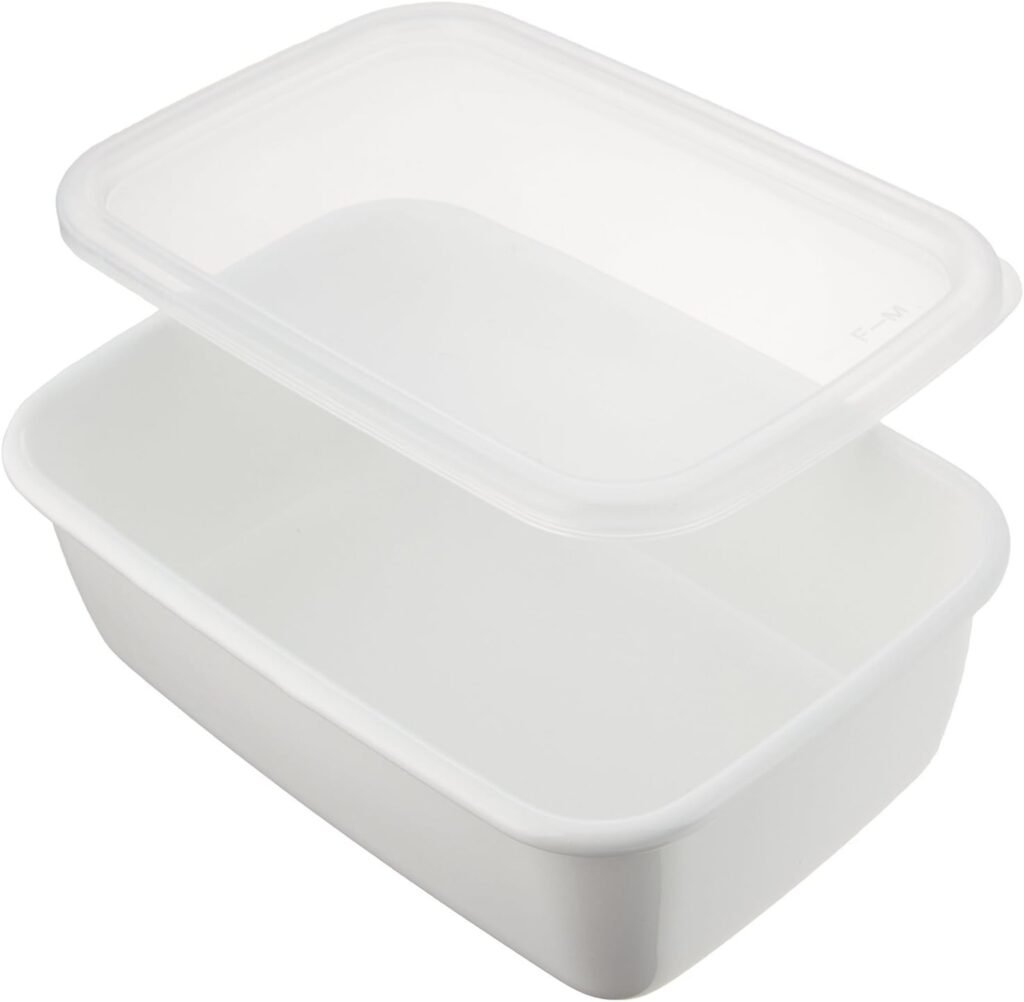
Enamel Pot
A compact 4-in-1 pot for cooking, storage, and serving, with a handle-free design that fits easily in the refrigerator.
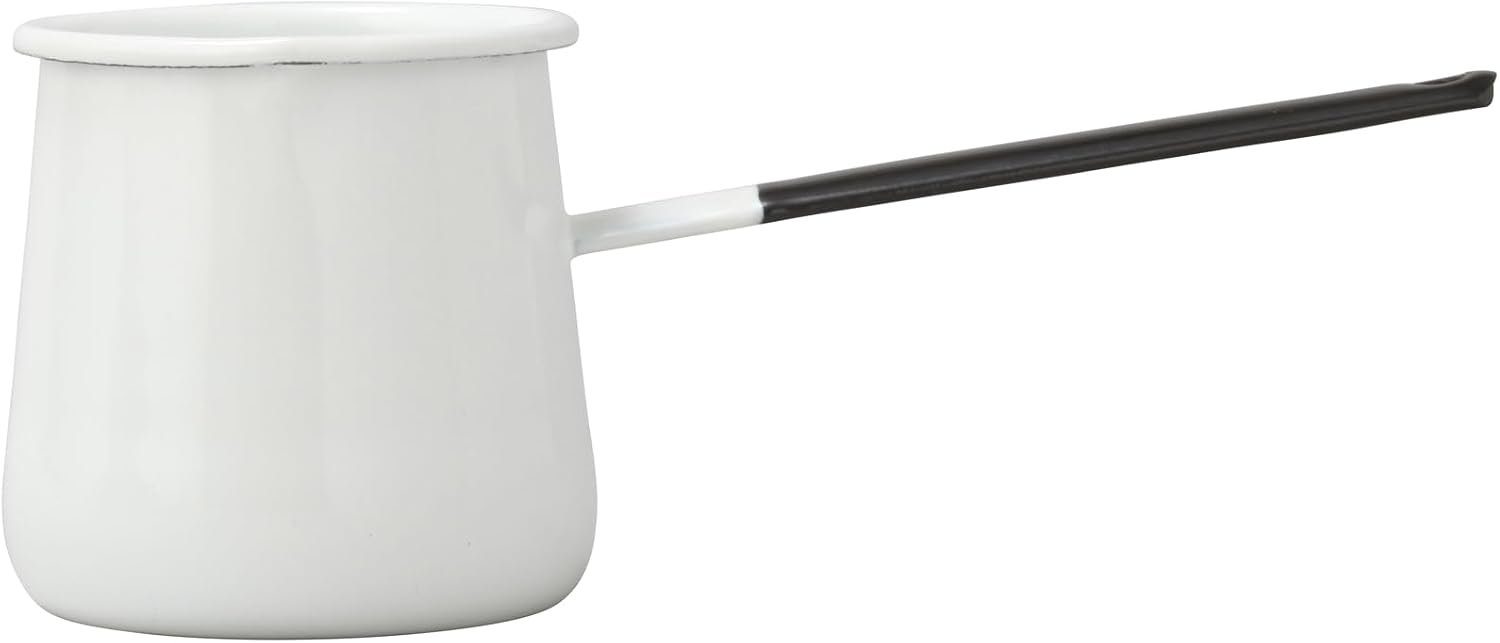
Butter Warmer
The palm-sized butter warmer is ideal for melting butter and cooking or heating small amounts of sauce.
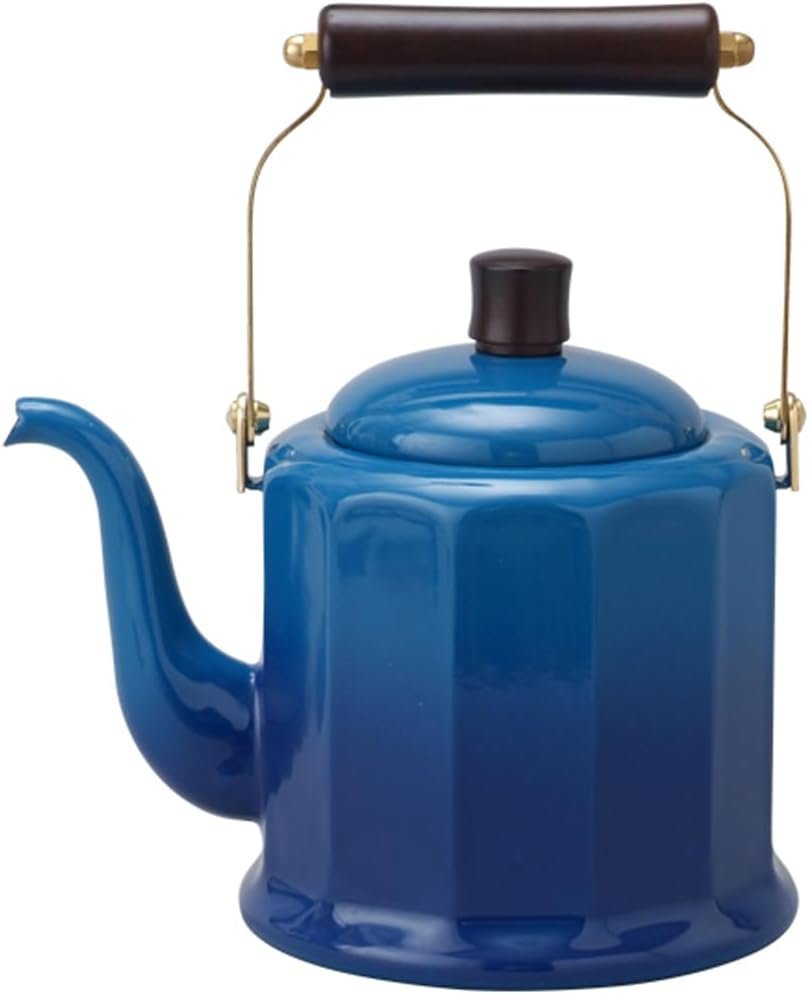
Amkettle
The kettle is a signature item that takes advantage of enamel’s excellent heat transfer properties.
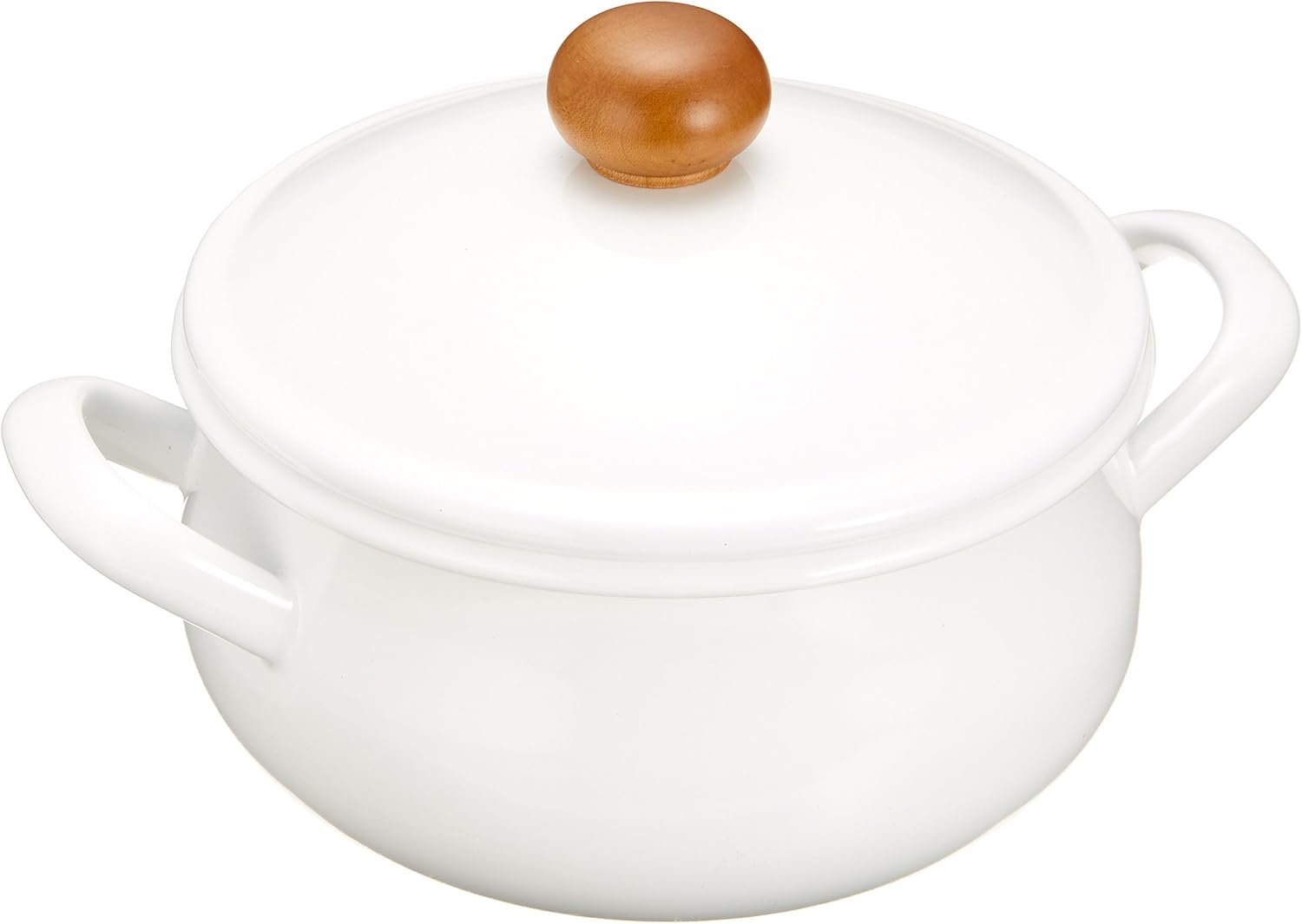
Casserole
Made from enamel with a painted white finish, this 1.1-liter pot measures 6.14″ D × 8.31″ W × 5.12″ H and weighs 640 g.
Keep in Touch
News, restocks, and small announcements arrive quietly in the inbox.
Categories
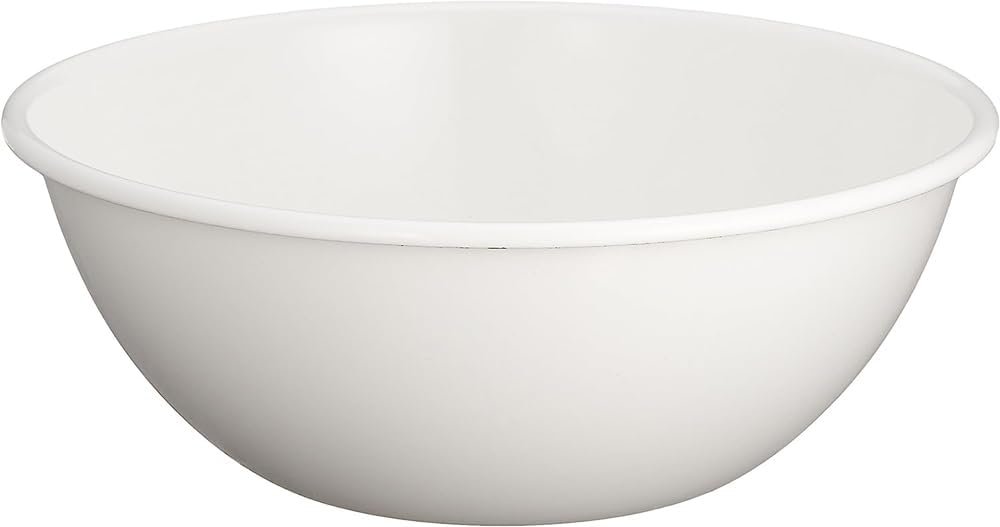
The One That Stays on the Stove
Noda Horo makes the Pochika, an enamel kettle built to sit out on the burner and get used every single day. Enamel over steel isn’t a design choice we made because it looked nice in a photo — it’s glass fused to metal, which means water tastes like water, the surface doesn’t hold onto yesterday’s coffee or last week’s tea, and a wipe with a sponge puts it back to new. The shape is small, round, and unbothered: a handle you can grab without thinking, a spout that pours where you point it, a lid that stays put. Nothing on it needs explaining.
Enamel is a stubborn material to work with, which is most of the reason we’re still doing it the slow way. The coating goes on in layers and gets fired at temperatures that will warp a body that wasn’t formed right, so the steel underneath has to be correct before the enamel ever touches it. Pieces come out of the kiln with flaws you can’t predict and can’t fix, and those don’t get sold. It would be cheaper to move to a coated aluminum kettle that comes off a line in seconds, and it would also mean selling something that starts flaking in a year. We’d rather keep the kiln.
The Pochika is sized for one or two people and the kind of kitchen where the kettle doesn’t get put away between uses. It’ll pick up a chip eventually — enamel does, usually from the one time you set it down harder than you meant to — and it keeps boiling water fine afterward. That’s the deal with a material like this: it ages honestly instead of falling apart quietly. If you want something that looks the same in ten years as it does today, that’s a different kettle. This one just keeps working.
Reviews

“The enamel wipes clean with a damp cloth even after months of hard water. My old stainless kettle had a permanent white ring in it by year one.”
Kenji A.

“I was worried the handle would get hot on gas. It gets warm, not painful, and I’ve never needed a towel to lift it off the burner.”
Theo B.

“Half of why I own it is that it looks right sitting out. Small kitchen, no cupboard space, and this is the one thing on the counter I don’t mind seeing every day.”
Ai N.
Complete Your Kitchen
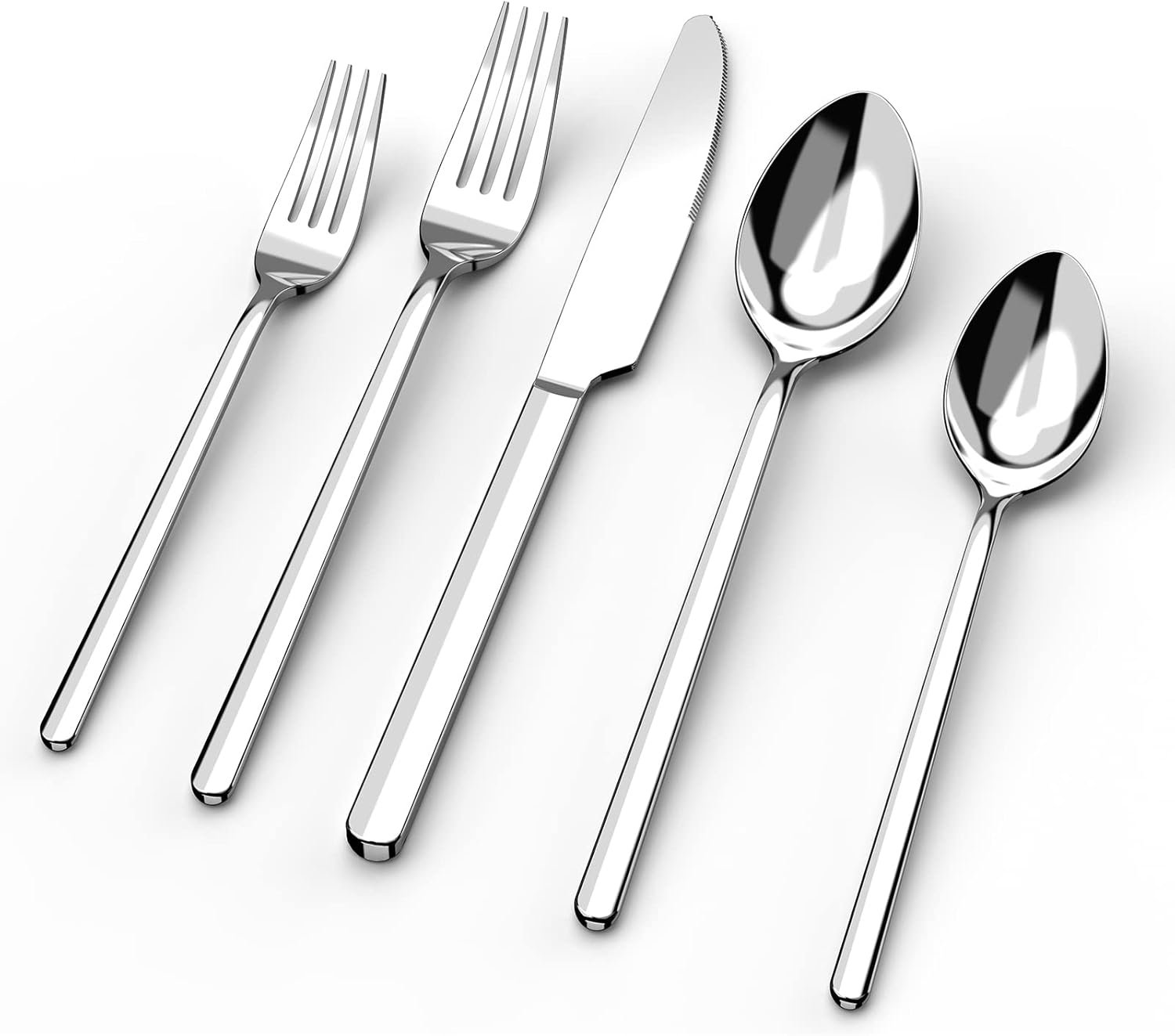
Cutlery
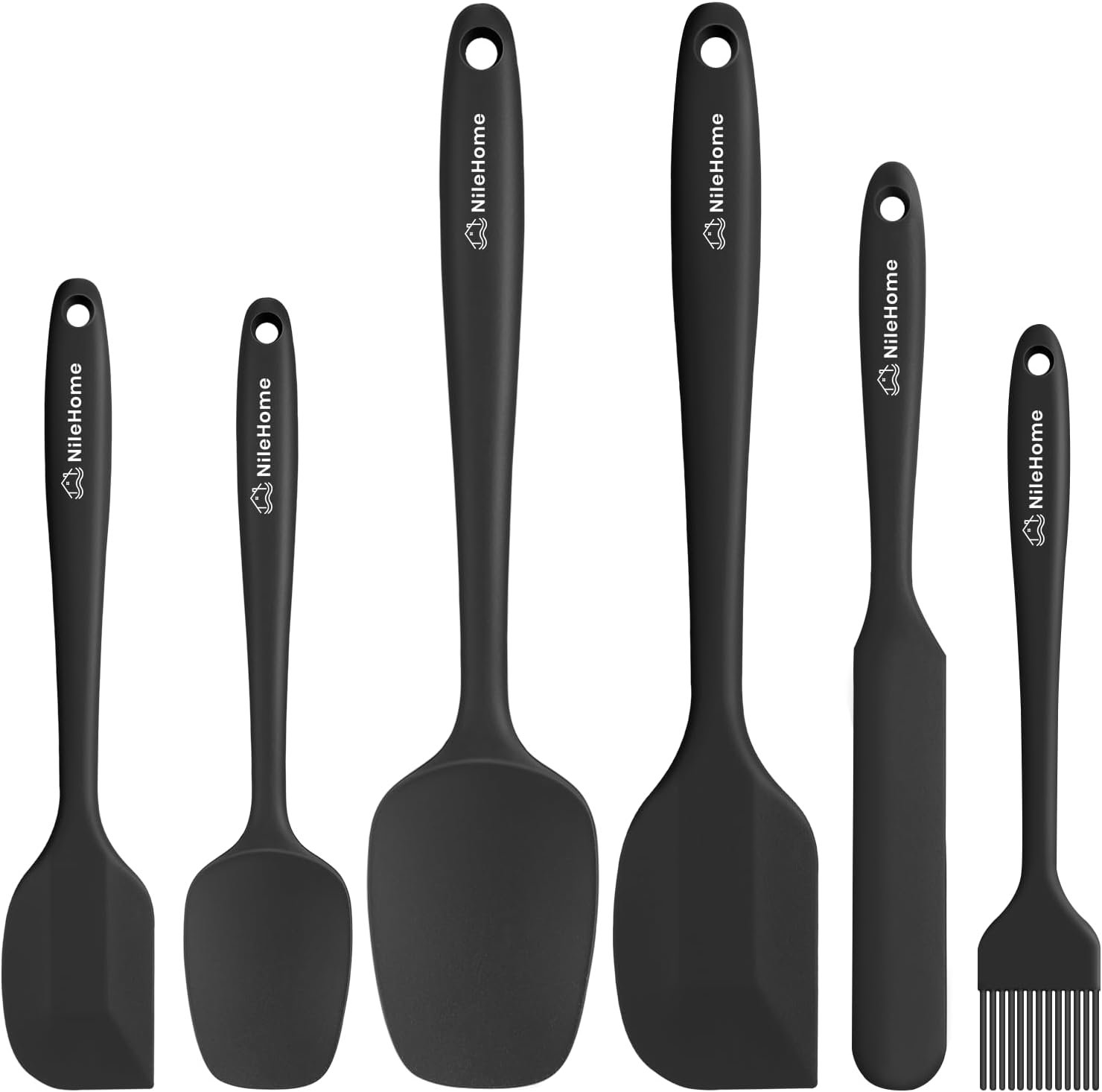
Baking Tools
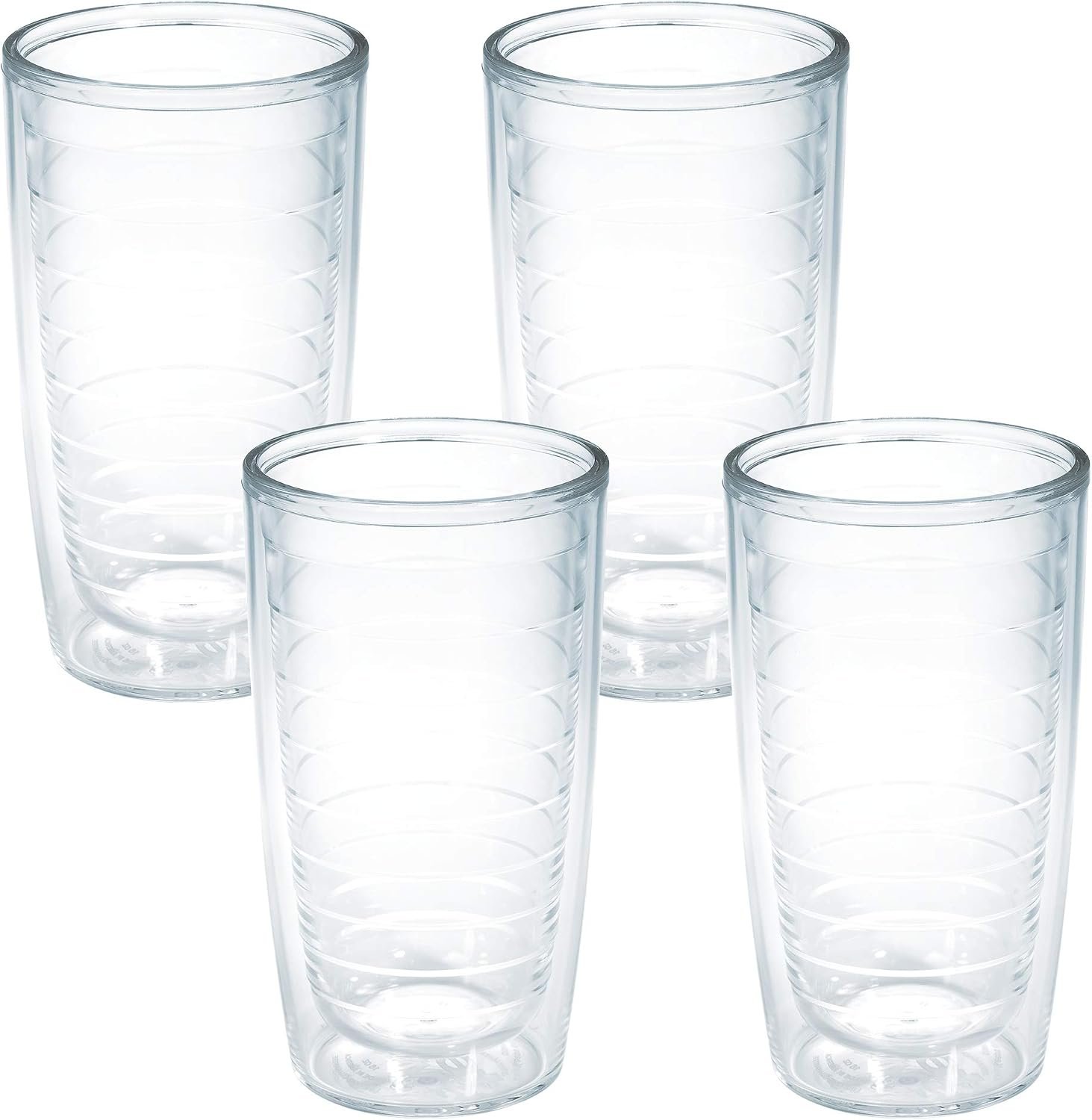
Glass Cups
Before the First Boil
The steel core underneath the coating is magnetic, so it generally works on induction as well as gas and electric elements. Starting at a low or medium setting rather than full power lets the base heat evenly, and matching the base diameter to the ring size helps the cooktop register it properly.
Hard water leaves chalky white deposits over time. Filling it partway with a mix of water and white vinegar or citric acid, bringing it to a gentle simmer, then letting it sit before rinsing thoroughly will lift most buildup. Abrasive pads, steel wool, and bleach should be avoided, since they scratch the glossy surface and dull it permanently.
Hand washing with warm water, mild soap, and a soft sponge is the better routine. Dishwasher detergents are harsh enough to leave the finish looking cloudy after repeated cycles, and the exposed steel rim under the lid can pick up rust spots if it sits damp. Drying it fully, rim included, after every wash makes the biggest difference to how it ages.
A small chip on the outside is mostly cosmetic and won’t affect how it works. A chip on the interior exposes bare steel that will begin to rust once it stays wet, so a piece with interior damage is better replaced than patched. Keeping it away from hard knocks against sink edges and avoiding metal tools inside prevents most chipping.
Emptying it out and letting it air dry is the better habit. Standing water speeds up mineral deposits along the interior walls and, if there’s any exposed steel at the rim or a chip somewhere, gives rust a place to start. Boiling it dry should also be avoided, since sudden temperature swings can crack the coating.
Handles made from wood or heat-resistant resin stay cool enough to grip directly in most situations, while all-steel handles heat up and call for a cloth or mitt. Keeping the flame sized to the base rather than letting it climb the sides also keeps the handle and the exterior finish from taking more heat than they need to.